Measuring Real Lead Quality: From Ad Impression to Closed CRM Revenue
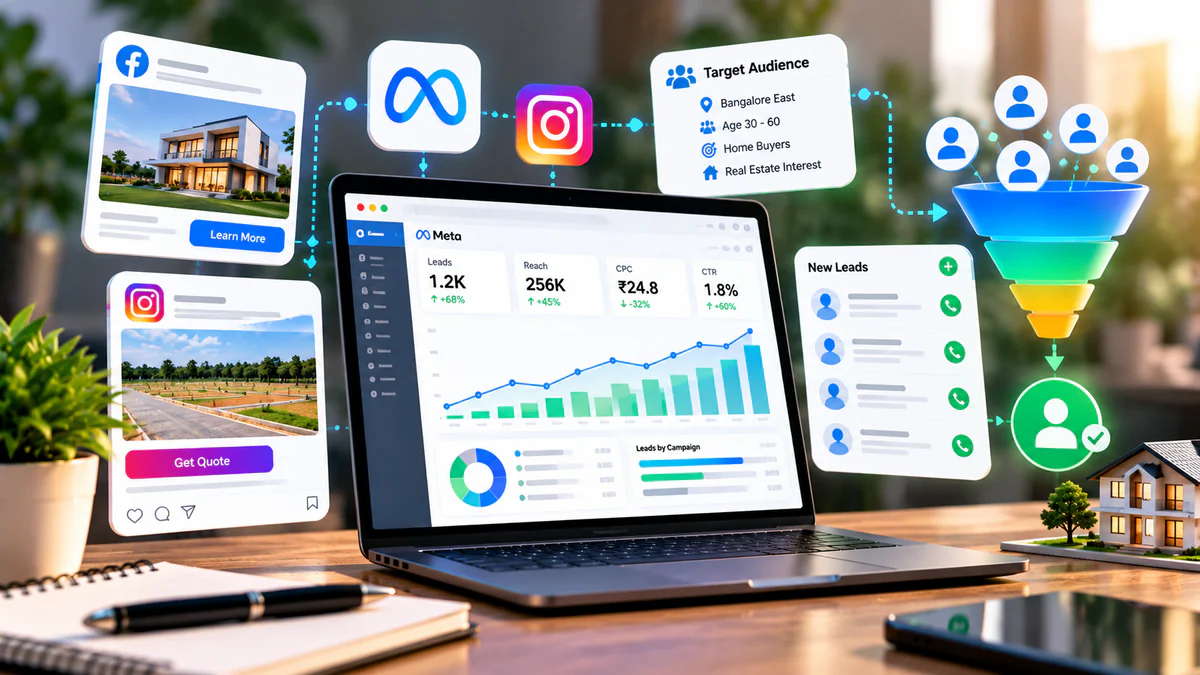
In performance marketing, evaluating campaign health based on Cost Per Lead (CPL) is inherently flawed. A campaign generating $10 leads that never convert into site visits or signed agreements is far more expensive than a campaign producing $35 qualified prospects that close at a 20% rate.
Automating the Bridge Between Meta and HubSpot
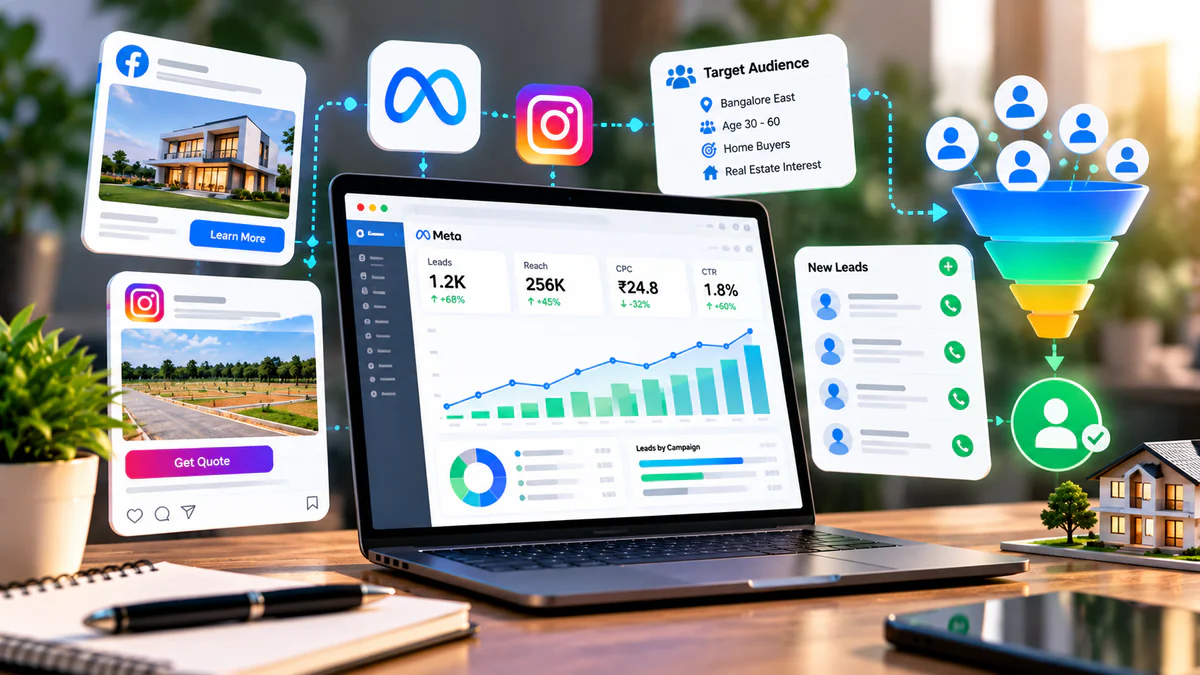
Real-time synchronization between Meta Leads Center and HubSpot CRM eliminates manual CSV exports and ensures immediate lead routing. When a prospect submits an ad form, webhook automation creates a new Contact and Deal record with all UTM attribution tags attached.
Speed-to-Lead & Activity Tracking
Industry data confirms that calling a prospect within 5 minutes of form submission increases connection rates by over 400%. Automated CRM alerts notify presales representatives via instant messaging, while activity logging tracks first-touch response times and call dispositions.
Feeding Offline Conversions Back to Meta
The final step in mature revenue operations is configuring offline conversion uploads. When a prospect moves to 'Site Visit Completed' or 'Agreement Signed' in the CRM, that milestone is sent back to Meta as an offline conversion. This trains Meta's machine learning algorithm to seek out high-value buyers rather than serial form-fillers.